
 Soft focus
AI readout
PRIVATE AI MAKEUP ANALYSIS
Private AI makeup analysis. Compare two looks in Omoggle Arena.
Private by default. Omoggle evaluates makeup choices, photo quality, and look direction — never a face score.
AI ANALYSIS
Base · Eyes · Lips
OMOGGLE FACE ARENA · 1V1
In the Omoggle Arena, put two makeup directions side by side, compare the finish, then keep the one you want to take further.
Soft focusAI readout
Warm glowAI readout
5 CASE STUDIES
Different skin tones, moods, and details. Each study starts with a real makeup direction—not a verdict on a face.
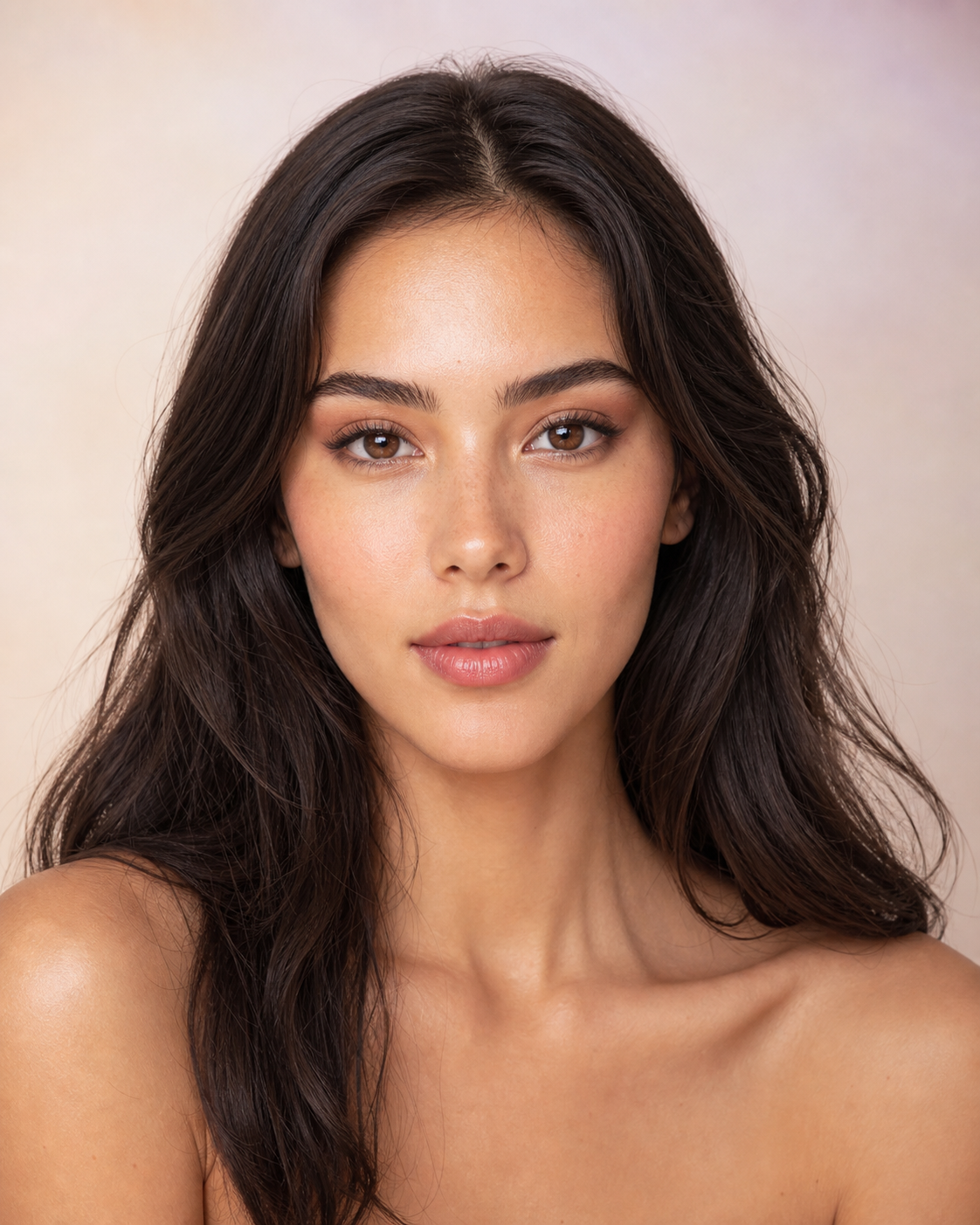
Look study · 01
Sheer rose warmth with softly defined eyes.
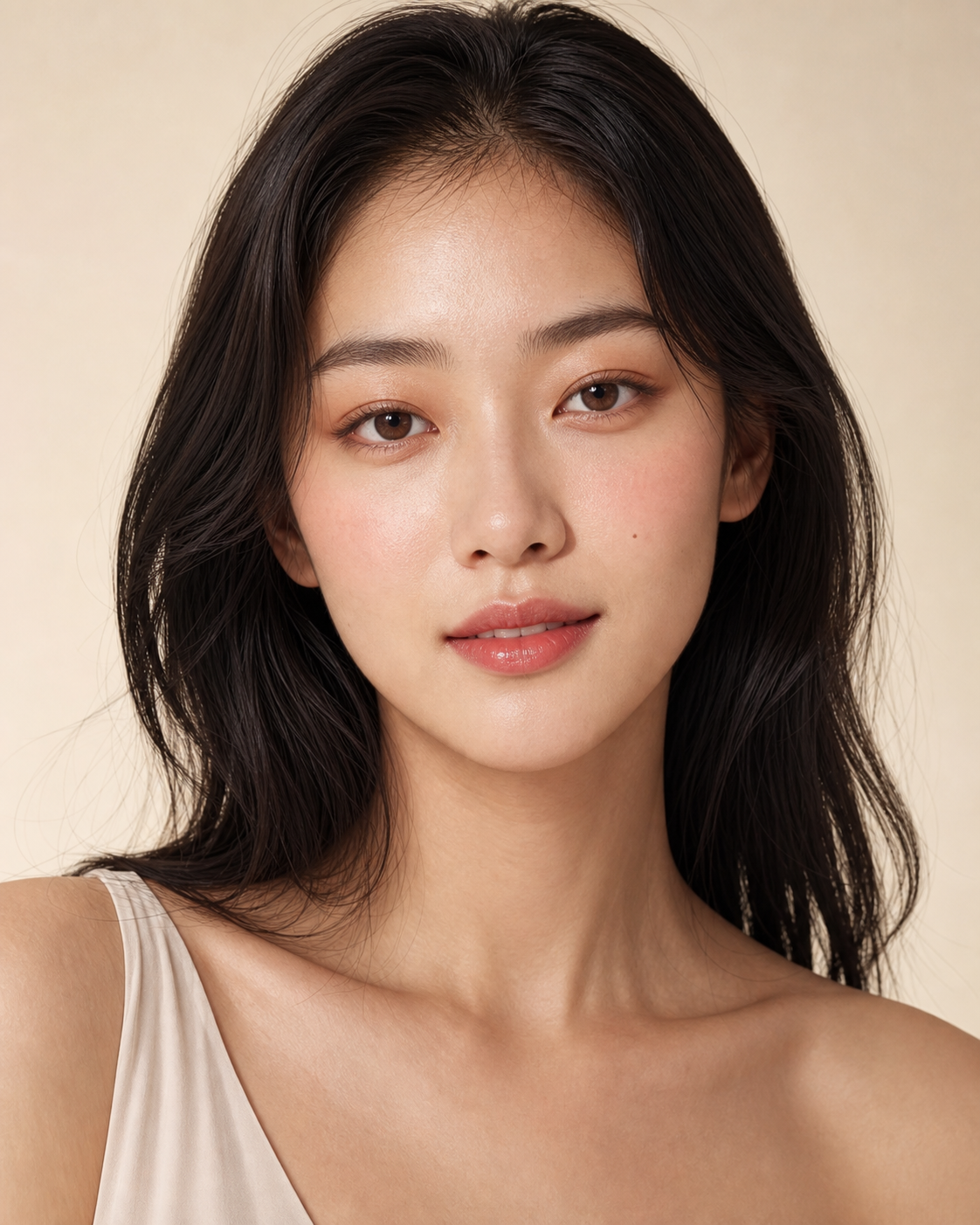
Look study · 02
Sunlit dimension, a satin lid, and a rich neutral lip.
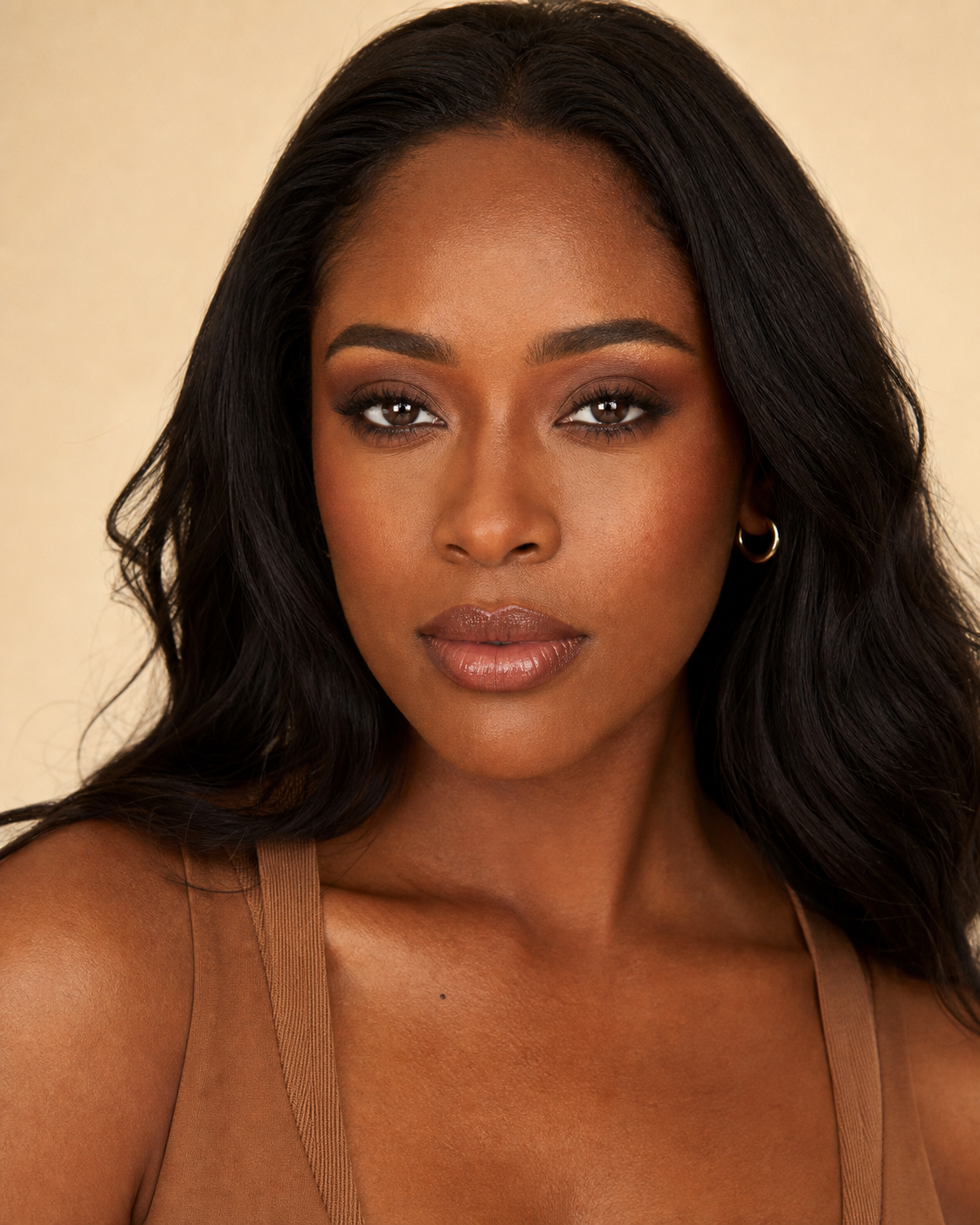
Look study · 03
Muted plum color that keeps the finish refined.
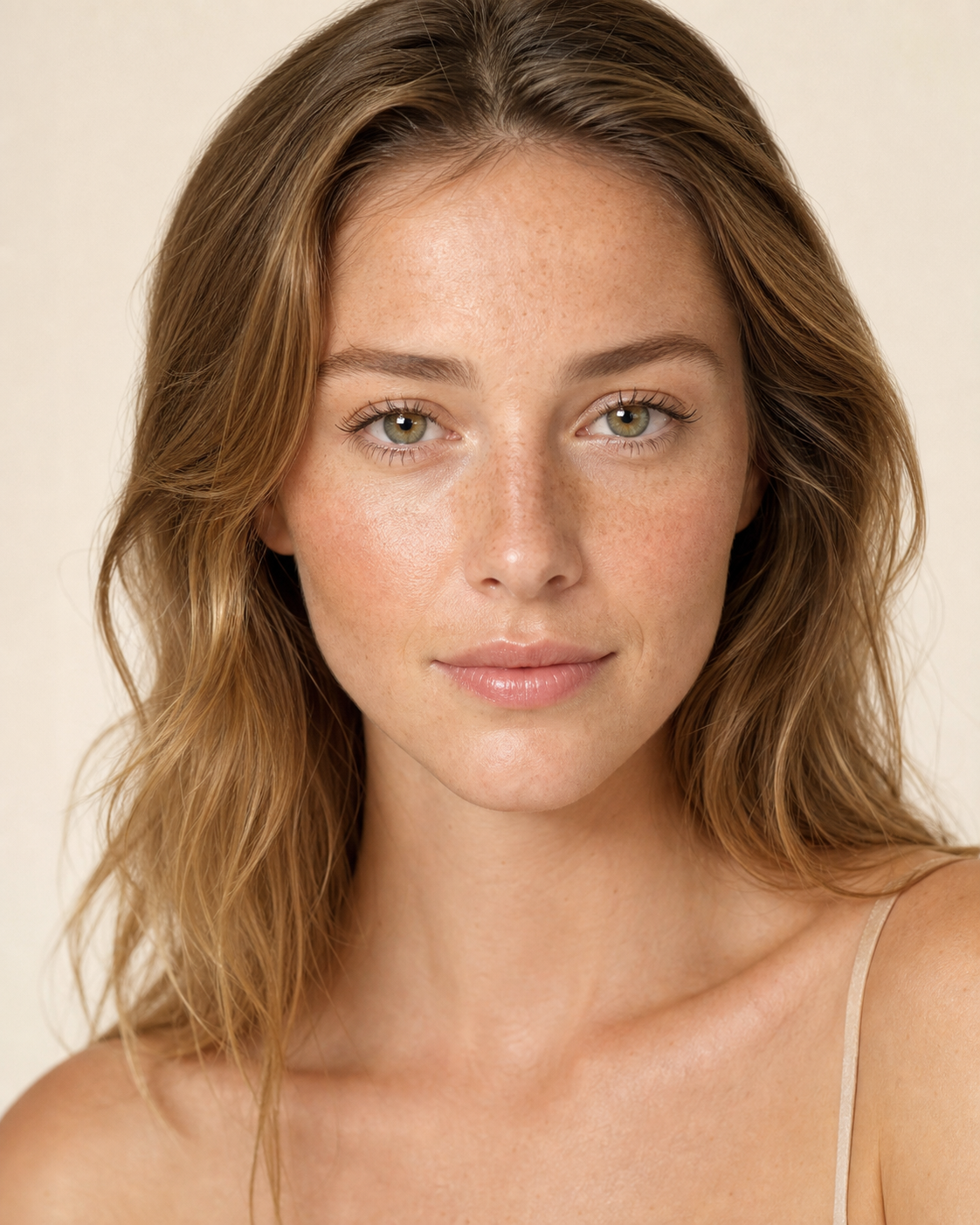
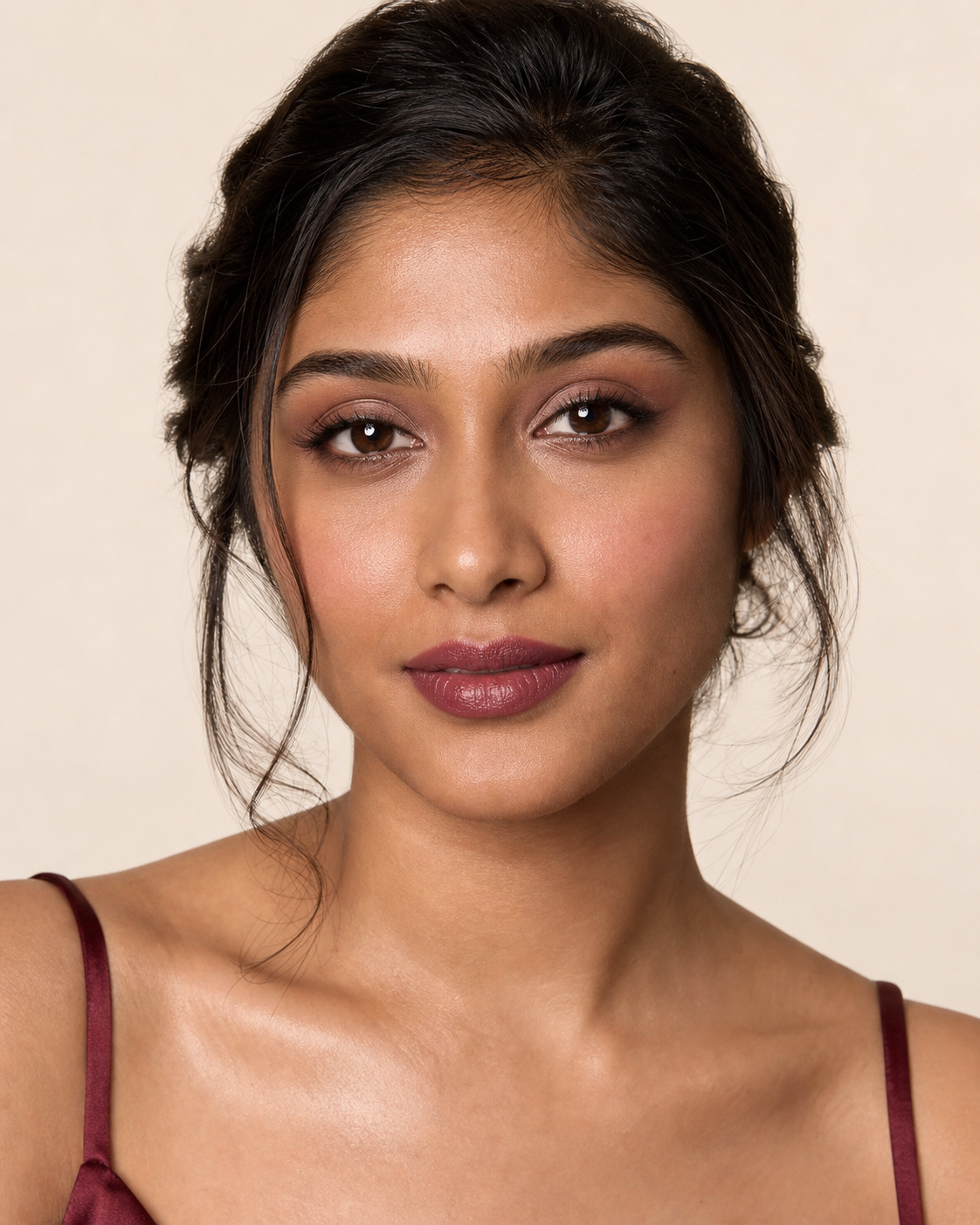
Look study · 04
Barely-there color, fresh skin, and a clear point of view.
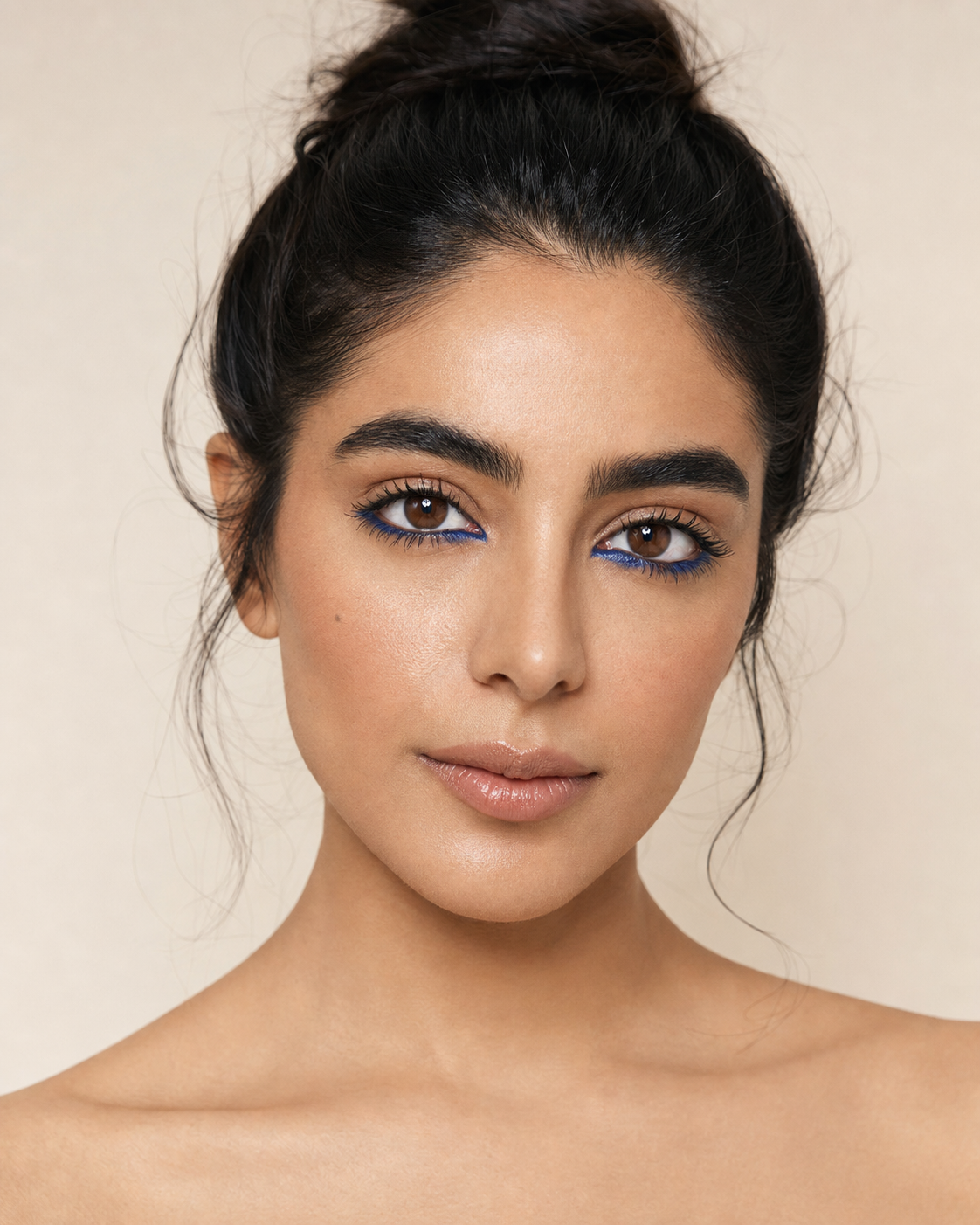
Look study · 05
One crisp blue detail changes the whole direction.
OMOGGLE ARENA RANKING
A considered Omoggle Arena ranking for five featured makeup directions—built around execution, finish, and theme fit.
Omoggle Arena featured styles
Makeup direction only
Sheer warmth, soft definition
Sunlit dimension, satin finish
Muted color, polished contrast
Fresh skin, minimal color
Focused detail, clean impact
Illustrative Omoggle Arena board for featured makeup directions. Rankings assess look execution and theme fit—not faces or natural features.
See Omoggle Arena matchupsA private makeup practice loop that turns one photo into a clearer next move, with Omoggle Arena ready when you choose to compare.
01
See what is working across base, eyes, and lips, with image quality and lighting kept in view.
02
Turn feedback into a focused plan for the shades, techniques, and details you want to test next.
03
Omoggle Face Arena places two directions side by side so you can choose what serves your look — never a score for the face you were born with.
A practical guide to makeup feedback
Omoggle is a private AI makeup practice space for people who want feedback that leads to a useful next move. Rather than reducing a look to a verdict, Omoggle helps you notice technique, finish, lighting, and theme fit in context. An Omoggle session begins with the work you chose to create: the base you blended, the liner you shaped, the color story you tried. With that starting point, Omoggle can help you decide what to repeat, what to adjust, and what to leave alone. Omoggle Face Arena is there when you want to compare two directions; the aim is steady practice, not a standard face or a perfect score.
Omoggle is most useful when you approach a photo as a record of your makeup choices. The flow keeps the focus on observable details, then gives you room to decide what progress looks like for you.
01
Start with a recent, front-facing photo in even light when you can. Omoggle uses the image as a reference for makeup application, so a clear photo makes the feedback easier to interpret. You do not need an elaborate setup or a flawless result; an everyday look can show where your routine already works. Before you upload, ask what you want to learn from this Omoggle check-in: cleaner edges, a more even base, stronger color balance, or a look that better fits a chosen theme.
02
After you submit a look, Omoggle frames its notes around makeup completion, image confidence, lighting, and the theme you selected. Treat those notes as prompts to inspect your own work, not instructions you must obey. If light is uneven, a lower-confidence result may tell you more about the photo than your technique. Omoggle makes that distinction useful: you can retake the photo, compare a new attempt, or focus on the parts of the feedback that match what you see in the mirror.
03
Choose one small adjustment for the next application instead of rebuilding your whole routine. Omoggle works best when you connect one observation to one experiment: soften the transition above your crease, change how you set your base, or test a lip tone under the same lighting. Save the result, then return to Omoggle after another look to compare your own notes with the new feedback. Over time, that pattern can make progress visible without turning every makeup day into a performance.
Omoggle is designed around practice and choice. It can surface patterns in a makeup look, but your taste, comfort, and goals still decide what matters. That boundary keeps feedback constructive instead of personal.
A new look stays in your personal progress space unless you choose to submit it to an Arena matchup. Omoggle gives you a place to review an experiment before it becomes a shared moment. That matters when you are testing a bold color, learning a new technique, or simply want room to practice without an audience. You control whether an Omoggle check-in remains a reference for you alone or becomes part of a themed community activity.
Good feedback names a choice you can examine: the blend, the finish, the contrast, the photo conditions, or the relationship between a look and a theme. Omoggle does not treat natural features as a scorecard. Instead, Omoggle keeps the conversation on application and presentation, where a suggestion can lead to a real experiment. You can agree with a note, ignore it, or use it as a question for your own routine; the outcome is still your look.
The Omoggle Face Arena is for themed makeup matchups, not a public ranking of faces. When you opt in, Omoggle presents a look in that limited context and keeps judging centered on execution, transformation, and theme fit. Omoggle is useful even if you never enter the Omoggle Arena. Many people will use it as a personal log, a way to compare practice sessions, or a calm place to plan their next application before they share anything at all.
Omoggle is for anyone who prefers specific, makeup-centered reflection to a generic compliment or a harsh rating. You can arrive with a detailed routine, a new product to test, or only curiosity about what to try next.
If you are learning how base, brows, eyes, and lips work together, Omoggle helps turn a vague feeling into a short practice plan. Use Omoggle after a normal makeup day to notice one technique that held up and one detail you want to revisit. Repeating that loop makes it easier to build confidence through evidence from your own looks, rather than copying a routine that was never designed for you.
When you are trying a new color story, editorial reference, or event look, Omoggle offers a structured pause before you publish. Omoggle can help you check whether the finished makeup reads as the theme you intended under the lighting you used. That is valuable for creators who want to refine a concept, document an evolution, or choose which version of a look to develop further without mistaking experimentation for failure.
A glow-up can be quiet: a cleaner base, a different lip shape, or a more intentional five minutes in front of the mirror. Omoggle gives those smaller changes a place to live. With Omoggle, you can compare a few attempts, keep the details that feel like you, and leave behind trends that do not. The product is there to support exploration, not tell you that you have to become someone else.
The most useful Omoggle habit is simple: observe one look, adjust one choice, then reflect before the next attempt. You do not need to upload every makeup day for the process to work.
Use an Omoggle analysis to name the result you want to understand. Maybe your base looked fresh in person but flat on camera, or your eye look had the right color but an uneven transition. Keep the question narrow. Omoggle can be a record of that one detail, along with the photo conditions and theme that shaped how the look appeared. A specific observation gives the next application a clear purpose.
On the next attempt, change one variable rather than everything at once. In Omoggle, that may mean checking how a lighter hand, a different placement, or more balanced lighting changes the result. A small experiment is easier to evaluate and easier to repeat. Omoggle gives you a consistent place to compare what changed, so your routine can grow from choices you understand instead of from a cycle of random products and conflicting advice.
Before you look for another opinion, notice what you like about the result and what you would keep. Omoggle is most helpful when its feedback sits beside your own judgment, not above it. Return to Omoggle when you want a fresh reference, then decide whether the new look deserves another round of practice, a place in your personal progress record, or a voluntary entry in a themed Arena matchup.
Omoggle is not here to define a face, hand out a verdict, or replace your taste. Omoggle is a tool for seeing makeup work with more clarity and less pressure. Whether you are refining a familiar routine, documenting a small glow-up, or entering a themed Arena for the first time, Omoggle keeps the next step connected to the choices you made — and the choices you still get to make. Use Omoggle when a look feels close but you cannot name why, when you want to test a change before an event, or when you need a quieter way to see your own progress. Omoggle gives a short pause between application and judgment. That pause lets you decide whether another Omoggle check-in, a new photo, or simply more practice is the right next move.
The basics, before you bring in your first look.
Start with a private analysis, then take your two strongest directions into Omoggle Face Arena.